
LLM content optimization is the process of shaping a page so a large language model retrieves it and quotes it in an answer. Large language models, the systems behind ChatGPT and Gemini, do not browse the web the way a person does. They pull in chunks of text, compare them against a question, and lift the strongest, most self-contained chunk into their reply. This guide walks through six concrete ways to make your content the chunk they choose, using the evidence-led workflow that keeps your claims checkable.
The short answer: LLM content optimization is about answering one question per section, making each section stand alone, and backing the facts with sources. A page that does those things is far more likely to be quoted than a longer page that buries its answers.
Before the steps, one idea is worth fixing in place. LLM content optimization is not a trick to fool a model into quoting you. It is a way of writing more clearly so that a machine, which has no patience for buried answers, can find the useful part of your page and reuse it. The same clarity helps a human reader, which is why this approach never costs you anything in readability. It also scales, because LLM content optimization is about how each individual section is built rather than about one big change, and once your writers learn the pattern every new page they publish is quotable from day one.
How a large language model reads your page
To do LLM content optimization well, it helps to know how a model reads. The model does not take in your entire page as one unit. It splits the content into chunks, roughly paragraph or section sized, and represents each chunk so it can be compared against a question. Then it selects the chunks that best match, clear and trustworthy, and stitches them into its answer.
This means every section of your page has to work on its own. A reader who lands in the middle of your article, or an AI system pulling one chunk, should get a complete answer without seeing anything else on the page. If a section assumes knowledge from an earlier section, it fails as a chunk.
This is the core insight behind LLM content optimization. You are not writing one long argument. You are writing a set of standalone mini-answers, each of which can be lifted and quoted. When you master this, every page you publish becomes a candidate source for the answers people get from AI. In practice this changes how you outline before you write: instead of planning a flowing essay, you plan a series of questions and answer blocks, and that outline is the skeleton of your LLM content optimization.
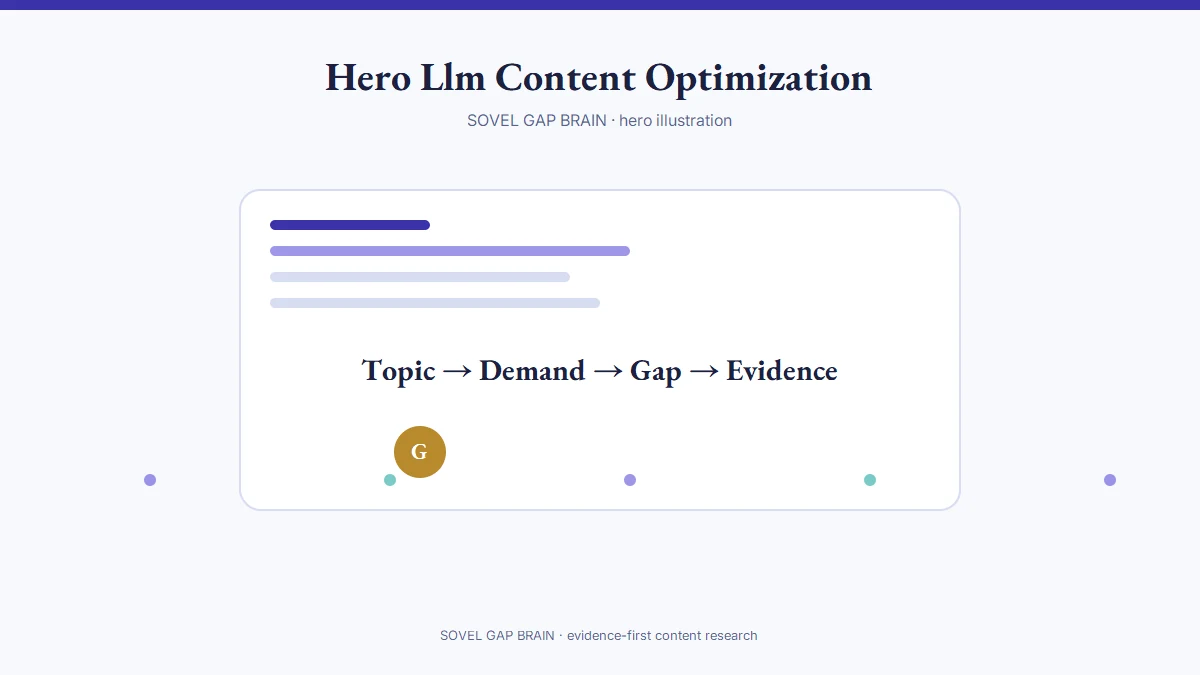
Figure 1: An LLM splits your page into chunks and selects the strongest for its answer.
Way 1: Answer the question in the first sentences
The most reliable way to get quoted is to put the answer at the front of the section. Open with the direct answer in the first two or three lines, then add the explanation. This answer-first form is the pattern AI systems lift most easily, because the useful fact is right there at the start of the chunk.
Do not build suspense. Do not open with a long story and reveal the point at the end. The chunk that contains the clear, direct answer is the chunk that gets selected. Save the narrative for sections where a narrative genuinely earns its place.
This also helps human readers, who scan less and skim headings, first lines, and lists. Answer-first writing serves both audiences, and it is the single most valuable habit in LLM content optimization.
Way 2: Use clear, consistent headings
Headings are the roadmap an LLM uses to understand your page. Each heading should say exactly what the section under it answers. Use the words a person would type when asking the question. For example, a heading like “What is the average cost of a metal roof” tells the model exactly what the section will answer.
Keep your heading hierarchy clean. Use one H1 for the title, H2s for the major sections, and H3s for subsections. Do not skip levels, and do not use headings as decoration. A clean hierarchy helps the model chunk the page correctly, and it helps Google understand the page too.
Consistency matters across your whole site as well. If you ask about a topic in several places, use the same name and the same framing so the model can connect the pieces into one reliable picture of your coverage. That consistency is a subtle but powerful part of LLM content optimization. Headings also anchor internal linking: when you link from one page to another using the exact question as the anchor text, you reinforce the topic for the model, which is a small but effective piece of LLM content optimization.
Way 3: Write in scannable formats
Lists and tables get quoted more often than dense paragraphs because they are easy to parse. When your content is genuinely list-like or comparative, present it as a list or a table. A model can lift a bulleted list or a comparison column cleanly and reuse it in an answer.
Do not add formatting for decoration. Only use a table when a reader benefits from scanning one, and only use a list when the items are a real set. Your goal is to make the page’s structure match the structure of the answer, so the model does not have to reshape your sentences.
Keep paragraphs short, about two to four lines. Vary sentence length so the writing sounds human, but keep each paragraph focused on one idea. These formatting choices are a measurable part of LLM content optimization. A useful test is to read each paragraph aloud: if it runs past four lines without a natural pause, split it, and if a list would hold the ideas better than prose, make it a list. Small choices like these are what separate pages a model can skim from pages it must fight through.
Way 4: Define terms in context
When your page uses a technical or uncommon term, define it in plain English the first time it appears. This works for two reasons. A reader who meets an unfamiliar term gets a quick anchor. And an LLM gets a clean definition sitting right next to the term, which helps the page surface for questions that mention that term.
The definition should sit naturally in the sentence, not as a stilted aside. For example, “retrieval augmented generation, the technique where a model pulls live passages to ground its answer, is the engine behind most AI search.” That one sentence teaches the term and connects it to the topic.
Do not over-explain common words. Reserve the convention for terms a typical reader would genuinely not know. Used with judgment, inline definitions make your content more useful to both readers and models, which strengthens your LLM content optimization.
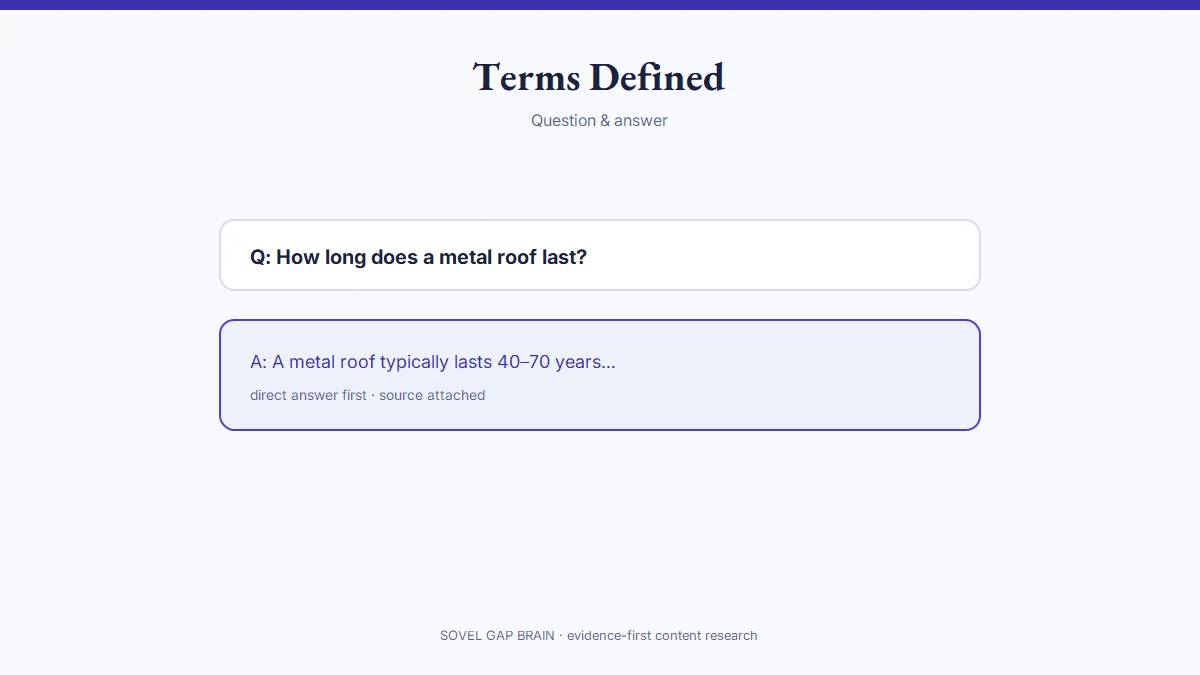
Figure 2: Define uncommon terms in context so readers and models both get a clean meaning.
Way 5: Cite real sources for every claim
Trust is the deciding factor when a model chooses which chunk to quote. Between two answers that say the same thing, the model is more likely to select the one that cites a primary source, because it can verify the claim. Content with no source reads as an unsupported opinion and is more likely to be skipped.
The evidence-led method makes this practical. Keep a ledger of the sources behind each claim, with the URL and the status of each source. Write each claim to match what the source actually says, and link to the source so a reader and a model can check it. Prefer primary sources such as original studies, official data, or firsthand reporting over another site’s summary.
You do not need a citation every sentence. Two strong primary sources usually carry a major claim. The point is to make the well-sourced version of the answer the obvious one to quote, which is the real goal of LLM content optimization. If you are starting from scratch, build the source list before you write a single sentence so you know what you can support, which keeps your LLM content optimization honest from the first draft.
Way 6: Refresh content the LLM actually sees
LLMs and search systems favor content that is reasonably current. A page that has not been touched in two years looks stale, and a model may prefer a fresher answer. So build a refresh habit into your content cycle.
The GAP BRAIN engine supports this by being re-run on the same topic. A fresh run shows which gaps have closed and which questions are new, so you know what to update. Refresh your most important pages on a schedule, roughly monthly for high-traffic pages, and update the facts and sources so the page stays the reliable version of the answer. Refresh is not the same as rewriting: most of the time you update a date, a statistic, or a source link rather than rebuilding the page, and protecting the structure you already have is a core part of LLM content optimization.

Figure 3: Re-run the engine monthly to keep your answers fresh and current.
How to audit a page for LLM readiness
You can audit any page against the six ways described. Ask whether it answers the question in the first sentences, whether its headings describe the sections clearly, and whether it uses scannable formats where they fit. Then check the terms are defined and the claims are sourced. A page that clears all of these is strong for LLM content optimization.
The audit is quick once you know the pattern. Read the first line of each section and ask if it stands alone. Look for any paragraph that runs too long. Check for claims with no source. Each fix you make strengthens the page, and over time your whole library becomes more quotable.
Making the audit a habit is the real point. When every page passes the same standard, your site builds a reputation that AI systems can rely on. That reputation translates into more citations and more visibility, and it is exactly where the daily work of LLM content optimization leads.
LLM content optimization and your broader goals
LLM content optimization rarely stands alone. It reinforces your SEO, your topical authority, and your answer-engine visibility at once. Because the same clear, sourced, answer-first structure helps every system, the work you do for one goal tends to lift the others.
That is a strong reason to invest here rather than in narrow tactics. The changes are not one-off tricks. They are durable improvements to how you write, and they keep paying off as new AI systems appear and old ones update. A page built for LLM content optimization stays useful as the landscape shifts.
So treat this guide as part of a wider content system. Use clear structure everywhere, support claims with sources, and answer the real questions. When you do, your content becomes the kind that both readers and machines prefer, and that is a position worth building toward.
How the GAP BRAIN engine fits in
The SOVEL GAP BRAIN engine is built around the same evidence-led discipline. It finds the questions people ask, checks whether your coverage answers them, and scores the gaps by opportunity. Each gap comes with the evidence trail already collected, so when you write the self-contained answer, the source is already there to attach.
Because the engine runs locally on your machine and uses free public research sources, it needs no API key and no signup. You can see the product page for the tier breakdown. For the broader framing of how evidence becomes content, the site’s article on evidence-led content research explains the map behind the method.
Measuring whether your content gets cited
You cannot manage what you do not measure. Check whether your pages actually appear in AI answers by asking the systems directly. Ask ChatGPT, Gemini, and Perplexity a question from your niche and note whether your site shows up and how it is described.
Do this monthly. If a question you answer is still answered from a competitor, inspect your section. It may not be answer-first enough, or it may lack a source, or the model may not have discovered it yet. Each gap you find is a specific fix you can make, and fixing it is the daily work of LLM content optimization. Keep the results in a simple table with the question, the date, and whether your site was quoted, because over a few months that table becomes a living record of where your LLM content optimization is working and where competitors still beat you. For the retrieval mechanics behind these systems, the original RAG paper is the primary source. If you are mapping coverage across a whole topic, the semantic SEO strategy guide and the SGE optimization strategy guide cover the adjacent work.
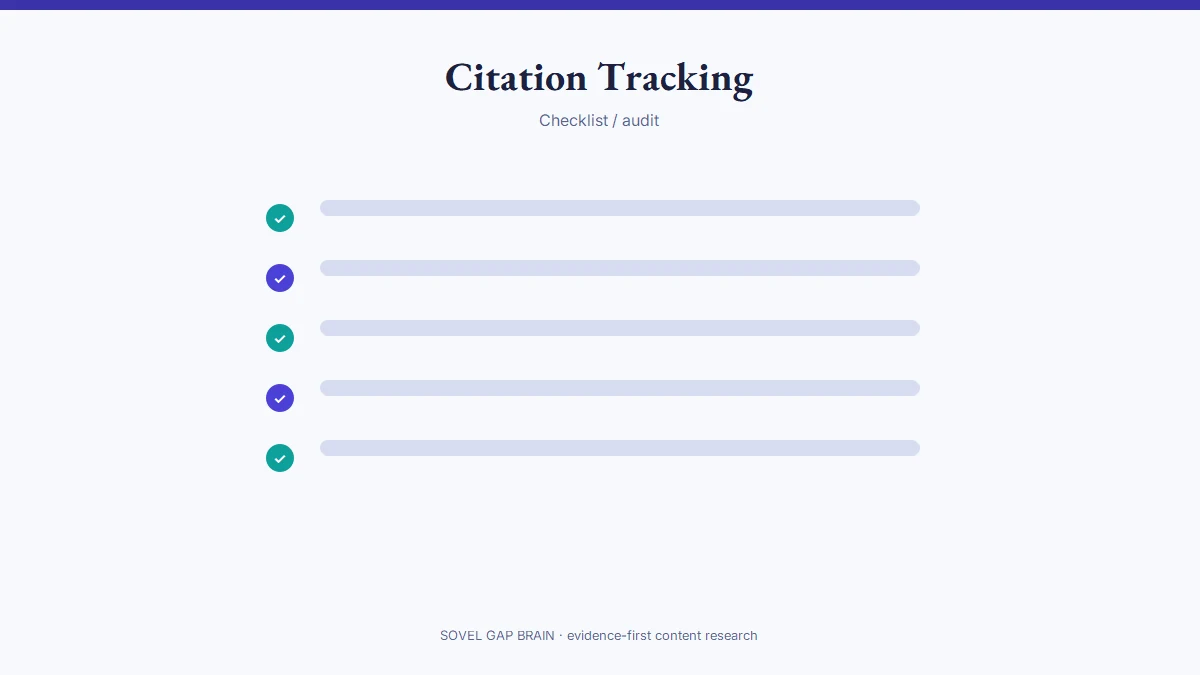
Figure 4: Log each question and whether your site was quoted so you can see progress over time.
FAQ
What does LLM content optimization mean?
It means structuring your pages so large language models can retrieve and quote them in answers. The main moves are answering one question per section, writing the answer first, and citing sources.
How is LLM content optimization different from SEO?
SEO gets a page indexed and ranked in search results. LLM content optimization gets the page quoted inside an AI answer. You need both, and they reward different details.
Do LLMs cite sites the way Google ranks them?
No. The overlap is partial. A page can rank well on Google and still be ignored by a chatbot if its answers are buried, just as a small clean page can get quoted without ranking first.
What is the single most important change I can make?
Put a direct answer at the top of every section. Answer-first structure is the strongest single signal that a chunk is quotable.
Do I need to add citations everywhere?
No. Add one or two strong primary sources per major claim. The point is to make your page the well-sourced version of the answer.
Which formats get cited most?
Lists, tables, and short answer-first paragraphs. Structured formats are easy for a model to parse and lift, so use them where the content genuinely fits.
How often should I refresh my content?
Refresh your most important pages about monthly. Re-run your research to see which gaps closed and which questions are new.
Can a small site compete with big brands for AI citations?
Yes. Answer engines favor clear, self-contained, well-sourced answers over raw authority. A small site can win a citation by answering a specific question more cleanly than a larger site.
What tool helps me find the gaps to fill?
The SOVEL GAP BRAIN engine finds the questions people ask, checks your coverage, scores the gaps, and records the evidence, which gives you a direct starting point for writing.