
An SEO content brief is a document that tells a writer exactly what a page needs to be about, who it is for, what questions it must answer, and how it should be structured so it can rank. Without a brief, a writer guesses. With a strong brief, a writer produces a page that matches search intent and is ready to compete. This guide explains what belongs in a first-rate SEO content brief and how to build one using evidence rather than opinion.
The short answer: an SEO content brief captures the focus keyword, the search intent, the questions to answer, the structure to follow, and the evidence to cite. When all five are in place, the writer can produce a target page without guesswork, and the result ranks because it was planned around what searchers actually need.
One point should be clear at the start. An SEO content brief is not a checklist of words to repeat. It is a working document that captures the meaning and structure of the article you want. The better the brief, the less rewriting happens later, which is why teams that write strong briefs publish faster and rank more consistently.
Why a brief matters more than ever
Search engines and AI systems reward pages that directly answer the question people ask. A writer who does not know that question cannot hit it. An SEO content brief solves that by locking in the intent before a single paragraph is written. It turns writing from a guess into a task with clear requirements.
A brief also keeps content consistent across a team. When several writers produce pages for the same site, briefs make sure each one meets the same standard for structure, sourcing, and depth. That consistency builds sitewide trust, which helps every page.
Finally, a brief saves money. Rewriting a page that missed the intent costs time and effort. Spending a little more on the brief up front avoids that cost, which makes the brief one of the highest-value documents in your content operation.
What to capture in an SEO content brief
A complete SEO content brief holds the key information a writer needs. Start with the focus keyword and the exact title. Add the meta description target. Then list the secondary and related keywords so the writer can weave them in naturally. Next, state the intent clearly, informational, commercial, or otherwise, so the writer knows the tone and depth.
Then define the questions the page must answer, usually in order. Add the suggested structure with headings. Provide the evidence to cite and where it lives. Finally, include any constraints such as word count, tone, and links to include. When all of this is in the brief, the writer has a complete blueprint.
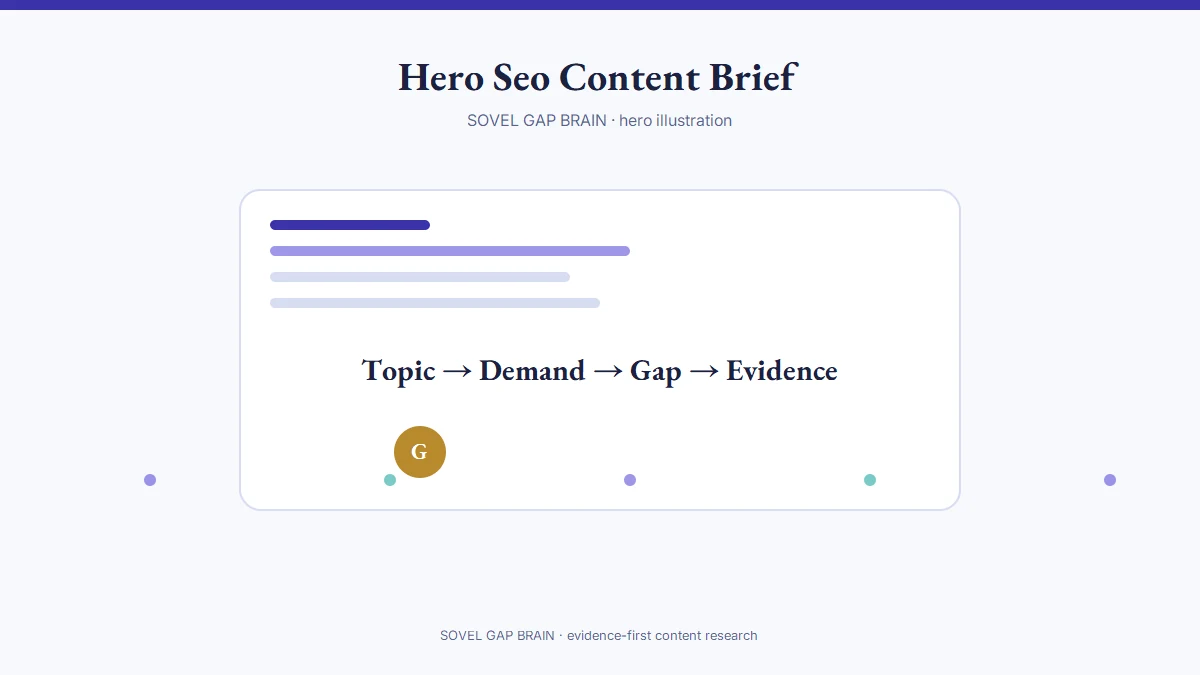
Figure 1: A complete brief captures keyword, intent, questions, structure, and evidence.
Step 1: Research the keyword and intent
An SEO content brief begins with research. Identify the focus keyword you want the page to rank for. Then determine the intent behind it. Is the searcher looking to learn, to compare, or to buy? The intent decides the type of page and its structure.
Use the questions people actually ask around the keyword. The GAP BRAIN engine pulls live search signals and returns the questions and related keywords with a score for each. That scored list is a strong starting point for the brief, because it tells you exactly what to cover and in what order of importance.
Do not guess the intent. Check the pages that currently rank and see what they offer. If the top results are step-by-step guides, the intent is informational. If they are product comparisons, it is commercial. Match the brief to what is already winning, then aim to outdo it.
Step 2: Define the page structure and headings
With the intent set, define the structure. A strong brief includes a suggested outline with the main headings and the order they appear. This gives the writer a skeleton and keeps the page logically organized.
Answer-first structure works best. Put the direct answer near the top, then expand with supporting sections. This helps both search engines and AI answer systems, which prefer a clear answer early. The brief should encode this pattern so every page follows it.
Keep the outline flexible enough to allow good writing but specific enough to keep the page on track. A typical outline might include an introduction, a short direct answer, several sections that address the questions, a section for comparisons or lists where relevant, and an FAQ block.
Step 3: Collect the questions the page must answer
The heart of an SEO content brief is the list of questions the page must answer. These come from your research, from related searches, from autocomplete, and from the gaps you find in existing coverage. List them in the order a reader would want them answered.
Each question maps to a section or an FAQ item. When a page answers a complete set of related questions, it covers the topic fully, which is what both search engines and AI systems reward. The brief should make that set explicit so nothing important is missed.
The GAP BRAIN engine is useful here. It finds the questions around your topic and shows which ones your site already answers and which are open gaps. Those open questions are the most valuable to include in the brief, because they represent coverage your competitors have not claimed.

Figure 2: The brief turns researched questions into sections and FAQ items.
Step 4: Add the evidence and sources
A modern brief includes the evidence the writer should use. Gather the primary sources for the key claims, the original studies, official data, or firsthand reporting. Record the URL and the source status, verified, partial, or blocked, so the writer never relies on a weak source.
The evidence-led method makes this practical. When you run the GAP BRAIN engine, it produces a ledger of the sources behind each finding. You can place that ledger into the brief so the writer has the proof at hand and links to it as they write.
Clear sourcing also helps the page get quoted by AI systems. Pages that cite verifiable primary sources are more trustworthy to answer engines, which raises the value of every piece the brief produces.
Step 5: Specify word count, tone, and links
An SEO content brief should also set the practical rules. Give a target word count that matches the intent and the competition. A topic with detailed winning pages may need more depth, while a simple question may need less. The brief should say the range.
State the tone so the writing stays consistent with your brand. Note the inner links to include, such as links to your pillar pages or related articles. List the external authority links to include, and verify they are live and relevant. Clear rules here keep the final page aligned with your overall content strategy.
Figure 3: Practical constraints keep the finished page on brand and on structure.
Step 6: Send the brief and review the output
The brief is only useful when the writer uses it. Hand off the brief with the page, then review the result against the brief. Does the finished page answer the questions? Does it follow the structure? Does it cite the sources? Reviewing against the brief catches drift early.
Feedback loops improve the brief itself. When a writer returns with a question the brief did not cover, add that to the brief for next time. Over several cycles, your briefs get sharper and your output gets more consistent. That refinement is part of what makes the SEO content brief a compounding asset.
How the GAP BRAIN engine feeds the brief
The SOVEL GAP BRAIN engine produces much of the raw material a brief needs. It returns the questions, the related keywords, the gaps in your coverage, and the evidence ledger. From those, you can assemble a brief in minutes instead of hours.
Because the engine runs locally and uses free public sources, it needs no API key and no signup. The product page lists what each edition includes. For the method of turning evidence into a content plan, the site’s guide on evidence-led content research sits alongside this workflow.
Turning a brief into a finished page
The real test of an SEO content brief is the page that comes out of it. When the brief is strong, the writer can move from outline to draft without guessing. Each section of the brief maps to a section of the page, and each question becomes a block that answers it. The result is a page that was built to match intent from the start.
A good brief also prevents scope drift. Because the target, the structure, and the sources are fixed, the writer is less likely to go off topic or add padding. That keeps the page tight and on purpose, which is exactly what rankings reward. A disciplined SEO content brief is therefore a quality control tool.
After the draft is written, use the brief as the review checklist. Confirm every question is answered, the structure is followed, and the sources appear. When the finished page matches the brief, you know you produced what you planned, and you can publish with confidence.
How a brief improves consistency across a team
When several writers produce content for the same site, an SEO content brief is what keeps them consistent. Each writer works from the same target, the same structure, and the same style rules, so the pages come out sounding like they belong to one site. That consistency builds sitewide trust.
Consistency also helps you build topical coverage. If every brief for a topic uses the same naming and the same links, your pages reinforce each other. The brief becomes a tool for coordination, not just a single-page instruction. This teamwork benefit is a reason sites with strong briefs rank well across whole topics.
Finally, briefs preserve knowledge. When a writer leaves, the briefs remain. A new writer can pick up the same standards without being retrained from scratch. That makes the SEO content brief a durable asset for any content operation, and it is why the best teams invest in writing them well.
Matching the brief to competition
A smart SEO content brief accounts for the competition. Before you finalize it, look at the pages currently ranking for your target. Note their length, their structure, and the questions they cover. Then write the brief to meet or exceed that bar, so your page is not just another entry but a better one.
If the top results are long and detailed, your brief should ask for comparable depth. If they include a clear answer near the top, your brief should require the same. If they are missing a useful section, your brief should add it. This competitive analysis turns your SEO content brief into a plan to win, not just a summary of a topic.
You can gather that analysis efficiently. The GAP BRAIN engine shows which questions competitors answer and where they leave gaps, giving you a concrete basis for the brief’s structure and content. With that input, the brief targets the weakness in the current results. That competitive view also helps you set realistic goals. A brief built against the actual field tells the writer the level of quality required to compete, so no one publishes a page that is quietly weaker than what already exists. This is how an SEO content brief moves from an internal note to a genuine part of your ranking strategy.
Why the brief is a source of truth
An SEO content brief becomes the single source of truth for a page. Writers consult it, editors review against it, and stakeholders see what was planned. When everyone refers to the same document, decisions are faster and arguments are rarer, because the brief settles most questions up front.
Keeping it as a living document helps too. When you learn something new from a published page, update the brief for next time. The brief then improves across your content operation, and the quality of every page rises with it.
This is the deeper value of the SEO content brief. It is not a one-off checklist. It is a system that makes your content better every time you use it. Once you feel that compounding effect, you will understand why teams treat the brief as a core part of their process. The habit of always writing a brief, even a short one, is what builds this advantage. Consistency matters more than perfection, because a brief that is used beats a perfect one that sits unused. Start with the essentials and refine the format as you learn what your writers need, and the SEO content brief becomes sharper with every cycle.
Common mistakes in writing briefs
A few mistakes weaken an SEO content brief. The first is listing keywords without intent, so the writer does not know what kind of page to build. The second is giving a structure that is too vague, leaving the writer to invent the layout. The third is omitting evidence, which leads to unsourced claims.
The fourth mistake is an unrealistic word count that does not match the competition. The fifth is skipping the feedback loop, so the same gaps repeat in every brief. Avoid these and your briefs will consistently produce pages that rank. If your briefs need to carry evidence, the evidence based content strategy guide shows the sourcing layer, and topical authority SEO shows how a brief fits inside a cluster. Google’s SEO starter guide remains the baseline reference for on-page fundamentals.
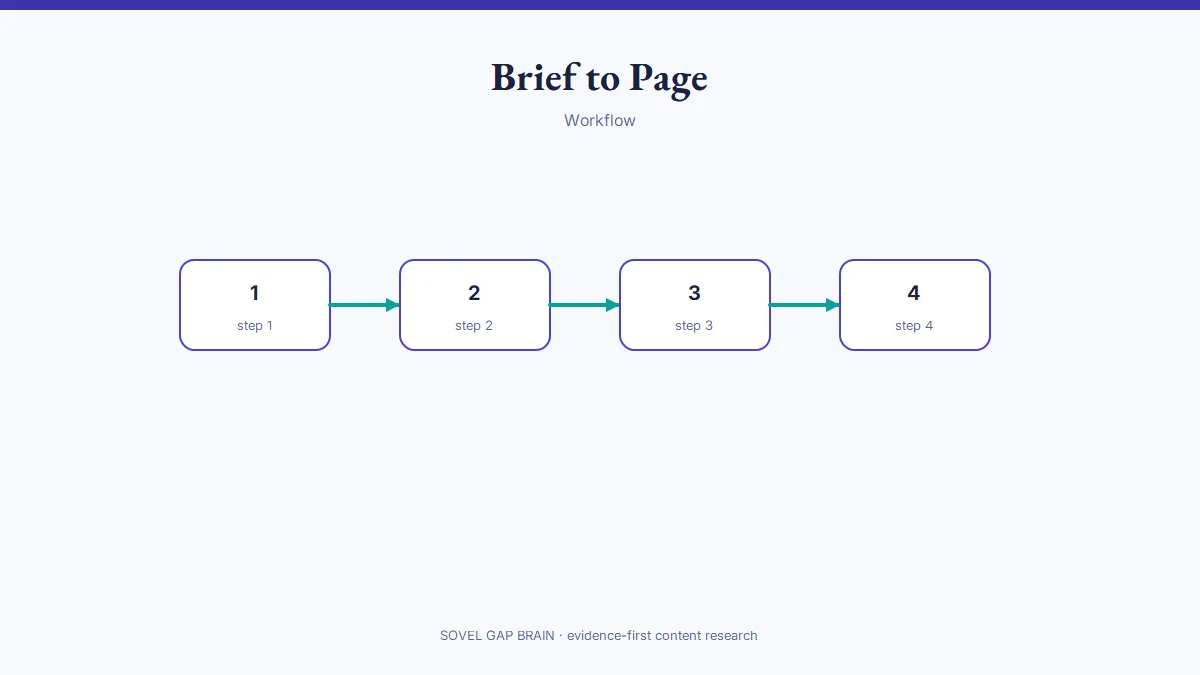
Figure 4: A strong brief turns directly into a finished, on-target page.
FAQ
What is an SEO content brief?
It is a document that tells a writer the keyword, intent, questions, structure, evidence, and rules for a page, so they can produce content built to rank.
Who should use an SEO content brief?
Anyone who writes or commissions content. Solo writers use them to stay focused, and teams use them to keep multiple writers consistent.
How long should a brief be?
Long enough to be complete, short enough to be readable. A one-to-two page brief is usually enough for a single article. Dense topics may justify more.
How do I find the questions for the brief?
Use related searches, autocomplete, the pages that currently rank, and a gap analysis. The GAP BRAIN engine returns scored questions you can drop straight into the brief.
Do I need a brief for every article?
It helps for every piece you want to rank. For small updates, a lighter version may be enough, but the core of intent, questions, and structure should always be there.
What makes a brief evidence-led?
Including verified primary sources and their status in the brief, so the writer cites facts that can be checked rather than unsupported claims.
How is a brief different from a keyword list?
A keyword list only names search terms. A brief adds intent, structure, questions, evidence, and rules, which is everything a writer needs to execute.
Can a brief help with AI citations too?
Yes. A brief that enforces answer-first structure and sourced claims produces pages that AI systems are more likely to quote, which extends the page’s reach beyond classic rankings.