
Generative engine optimization content gaps are the questions an AI answer engine cannot answer well because nothing on your site covers them in a clean, quotable way. A product page can rank for a keyword and still lose the AI citation because the specific sub-question a chatbot pulls from has no dedicated block on your site. That is a distinct problem from classic SEO, and it is the exact problem the SOVEL GAP BRAIN engine was built to find. In this guide you will learn a repeatable 7-step system to locate those generative engine optimization content gaps, verify them against real sources, and turn each one into a page an AI system wants to quote.
The short answer: a generative engine optimization content gap is any topic where your site has partial coverage but no self-contained, verifiable answer. Fill those first, because they are the spots where AI systems are currently borrowing from your competitors. Understanding this distinction early is the difference between writing content for rankings and writing content that AI systems actually reach for. Mapping your generative engine optimization content gaps is the first practical step in that direction.
What counts as a generative engine optimization content gap?
A gap is not simply a missing keyword. It is a missing answer. When someone types a question into ChatGPT, Gemini, or Perplexity, those systems retrieve chunks of text from across the web and stitch them into one reply. If your site has the information but buries it in a paragraph that assumes prior context, the retrieving system skips it. If your site has no answer at all, the system reaches for a competitor. Both situations create generative engine optimization content gaps that cost you the citation.
So a generative engine optimization content gap has three markers. First, the question is real and people actually ask it. Second, your site lacks a block that answers that question on its own. Third, the facts needed to answer it are verifiable, meaning someone can check them against a primary source. The GAP BRAIN engine looks for all three at once. It pulls live search data, finds the questions around your main topic, and checks whether your coverage already answers them.
The engine does not guess. It records every source it uses in a ledger, so each generative engine optimization content gap it reports is traceable. That matters because a gap you can prove is a gap you can show a client or a boss, and it is the kind of evidence an AI system itself responds to. When you can point to the exact question, the exact competitor answer, and the exact missing block, you have moved beyond guesswork.
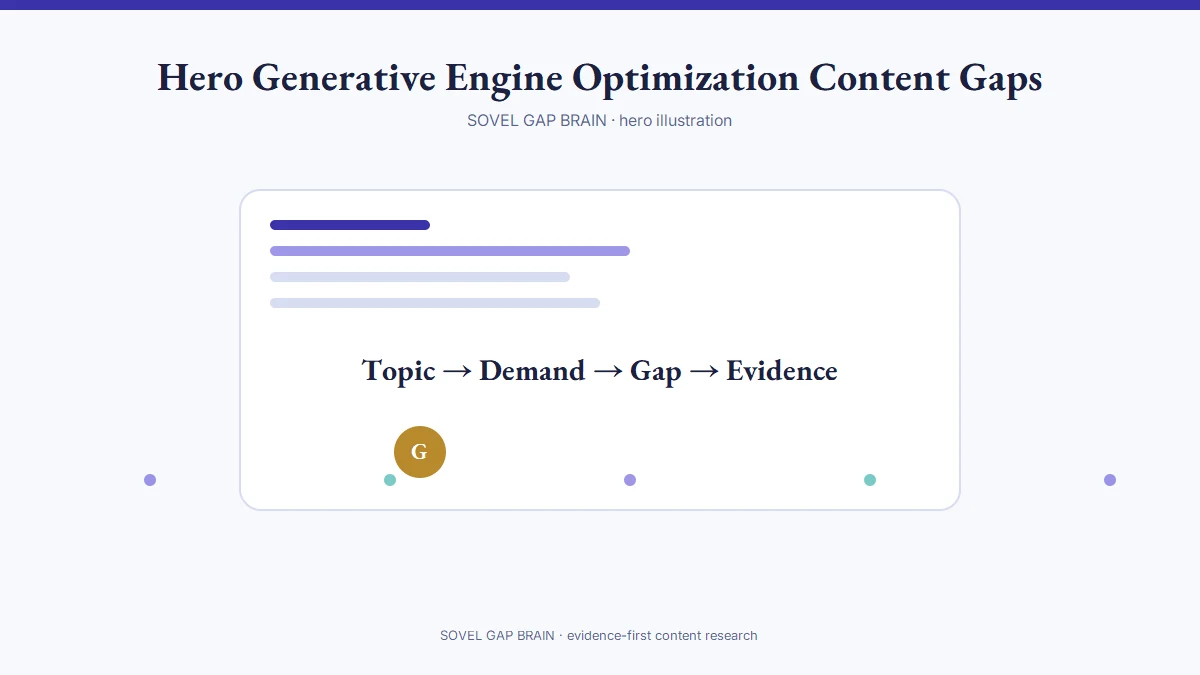
Figure 1: A generative engine optimization content gap appears where a real question has no clean answer on your site.
Why classic SEO misses these gaps
Ordinary keyword research tells you what people search. It does not tell you what AI systems quote. Search engines and answer engines select content differently, and the two lists overlap far less than most people expect. A page that holds the number one spot on Google can still be ignored by a chatbot that finds a cleaner, more direct answer from a smaller site. That is how generative engine optimization content gaps hide behind otherwise strong rankings, and you need a specific method to surface them.
The reason comes down to structure. An AI answer engine does not read your whole page as one unit. It splits the page into chunks of roughly paragraph size and compares each chunk against the query. This retrieval pattern, often called retrieval augmented generation, is why answer-first formatting matters; the original GEO research paper describes how generative systems select content differently from classic search. A chunk wins when it is self-contained, clear, and backed by something checkable. Classic SEO rewards long, comprehensive pages. Answer engines reward pages broken into tight, independent, quotable blocks.
That is why generative engine optimization content gaps show up even on sites with strong rankings. You can have perfect title tags, clean URLs, and good internal links, and still miss the formatting that lets a machine lift your answer cleanly. The GAP BRAIN engine surfaces these structural misses as concrete gaps, with the exact question and the source evidence behind it.
How the evidence ledger changes the work
Everything the GAP BRAIN engine reports hangs on an evidence ledger. For every generative engine optimization content gap, the engine keeps a record of the source it used, the URL, and the status of that source. Some sources are fully usable, some are blocked, and some are only partial. The engine is honest about all three. It will show that a claim is BLOCKED rather than pretend it is verified.
That honesty shapes the whole content strategy. When you write an article to fill a generative engine optimization content gap, you write it from verified material. You are not inventing a fact to fit a keyword. You are documenting what you can prove. This is the difference between content that reads like a placeholder and content that an AI system treats as a primary answer.
You can see this discipline inside the GAP BRAIN reports. Every claim maps to an evidence ID, and the report lists the source URLs in a dedicated section. If you later edit a page, you can trace exactly where each fact came from. That property matters in a competitive niche, because every generative engine optimization content gap you close stays closed with proof attached.
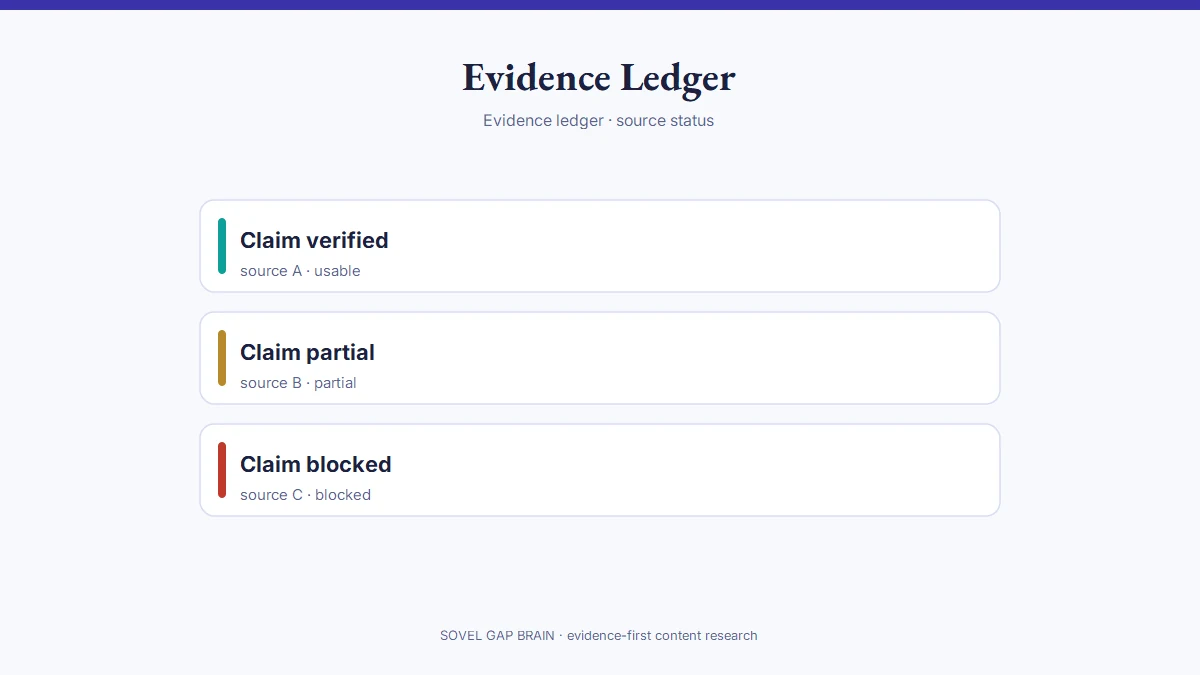
Figure 2: Each gap carries a source status and URL, so every claim is traceable.
Step 1: Start with the questions people actually ask
The first step is to collect the real questions around your niche. Do not invent them from memory. Use the questions in autocomplete, related searches, and follow-up questions people type after a first answer. The GAP BRAIN engine does this automatically when you give it a topic, pulling live search signals and returning a scored list of keywords and questions.
Separate that list into two piles. The first pile contains questions your site already answers clearly. The second pile contains questions you half-answer, answer in a confusing way, or do not answer at all. The second pile is your raw material for generative engine optimization content gaps.
Keep the list specific. “How do I start a blog” is too broad and likely covered. “What is the minimum word count for a blog post that ranks on Google in 2026” is narrow, specific, and exactly what a chatbot gets asked. Narrow questions are easier to verify and win, so they make the most practical generative engine optimization content gaps to target.
Step 2: Compare against what actually ranks and gets cited
Once you have the question list, compare it against the pages that currently rank and get cited for those questions. The GAP BRAIN engine produces this comparison for you. It shows which competitor pages cover each question, what they cover, and where they leave gaps. Those gaps between competitor coverage and your coverage are the generative engine optimization content gaps you can realistically win.
You are doing research here, not copying. Note the structure of winning answers: a direct answer at the top, a table, a step-by-step list? Then note what they miss. Often the winner covers the headline question but fails on the follow-up questions a chatbot fans out to. Those follow-ups are your generative engine optimization content gaps, and every one you miss is a citation another site collects.
For example, a page might rank for “how to write for AI search” but never answer “does schema markup help AI citations” or “how many words should an AI-optimized page have.” Those are separate chunks of intent. A page that answers all three is more useful to an answer engine than one answering only the first, and it surfaces far fewer unresolved generative engine optimization content gaps.
Step 3: Map the gaps to your own coverage
Now bring the analysis home. For each question, check your own site. Do you have a page that answers it? Is the answer easy to lift? Can a reader land there and understand it alone? This is where you confirm which generative engine optimization content gaps actually apply to you.
The GAP BRAIN engine is built around this exact comparison. It flags generative engine optimization content gaps between what people search and what your site covers, and it prioritizes them by opportunity score. That score combines how often the question is asked with how winnable it is. You do not have to guess which gap to fill first. The engine orders them for you.
When you see the ordered list, resist the urge to cover everything at once. Pick the top two or three gaps and write pages that answer them completely. One strong page that answers a question entirely beats five pages that each answer a sliver, and it removes more generative engine optimization content gaps from your site in one move.
Step 4: Verify every claim before you write
A gap is only worth filling if you can fill it with proof. Before you draft a single sentence, verify the facts you will use. The GAP BRAIN engine pulls live sources and records their status, so you can see which facts are solid and which are blocked. This verification step keeps your generative engine optimization content gaps from being filled with shaky material, because solid evidence is the only foundation.
For each claim in your planned article, ask three things. Is the source primary, meaning it is the original study or official data rather than another blog repeating it? Is the source current enough for the claim? And is the claim stated precisely enough that someone could check it? If a claim fails any of these, either find a better source or drop the claim.
This step is what separates evidence-led content from filler. It is also what makes the content citable. An AI system is far more likely to quote a page that cites a primary source than a page that states an unverifiable opinion. The evidence ledger gives you a clean way to keep this discipline while you close generative engine optimization content gaps.

Figure 3: Verify each claim against primary, current, precise sources before writing.
Step 5: Write a self-contained answer block
The most important formatting rule for generative engine optimization content gaps is this: every section must answer its own question. A reader should be able to jump straight to the middle of your page, read one section, and walk away with a complete answer.
Open each section with the direct answer in the first two or three lines, then expand. This opposes the classic essay structure that builds toward a conclusion. Answer engines reward answer-first form because they can lift that opening chunk and quote it without dragging along the rest of the page.
Keep paragraphs short, mostly two to four lines. Use lists and tables only where the content is genuinely list-like, and never decorate. Every clean answer block you publish closes a generative engine optimization content gap and makes the next one easier to rank, and that compounding effect is why formatting discipline matters. It also stops generative engine optimization content gaps from reappearing under a related query you missed.
Step 6: Add the verification and source layer
Once the answer block is written, anchor it to the primary evidence you verified in step four. This gives readers a way to check your work and gives the answer engine a trust signal that you did the homework. That layer keeps your generative engine optimization content gaps closed rather than papered over, because a visible source trail makes the closure credible.
The GAP BRAIN engine generates a source section for each run; reuse it as the basis for your citations. Keep links clean and functional. A broken link is worse than none, because it signals neglect to both humans and machines.
You do not need to over-cite. A major claim rarely needs more than a pair of strong primary sources. Make the well-sourced version of your answer the obvious one to quote, so no generative engine optimization content gap remains for the same question.
Step 7: Refresh on a schedule
Generative engine optimization content gaps do not stay filled forever. Questions change, competitors fill gaps, and AI systems change how they select answers. The GAP BRAIN engine is built to be re-run, and the reports include a freshness dimension so you can see which gaps are getting stale.
A practical rhythm is to re-run your topic analysis every month and compare the new gap list to what you published. Where generative engine optimization content gaps remain open, write new pages; where competitors moved in, update your page or add a better internal link. Each month you close the freshest generative engine optimization content gaps before a competitor turns them into their win.
How the GAP BRAIN engine packages all of this
The SOVEL GAP BRAIN engine is a local, evidence-first tool that runs on your machine and works inside any AI host such as Cline, OpenCode, or WorkBuddy. Give it a topic and it runs the research, scores keywords, finds gaps, records evidence, and writes a multi-format report with opportunity scores and source URLs.
Because it runs locally with free public research sources, it needs no API key and no signup, which suits solo publishers and small teams. See the product page for the tier breakdown and the engineering methodology guide for the broader method. For the writing side of the same problem, see LLM content optimization.
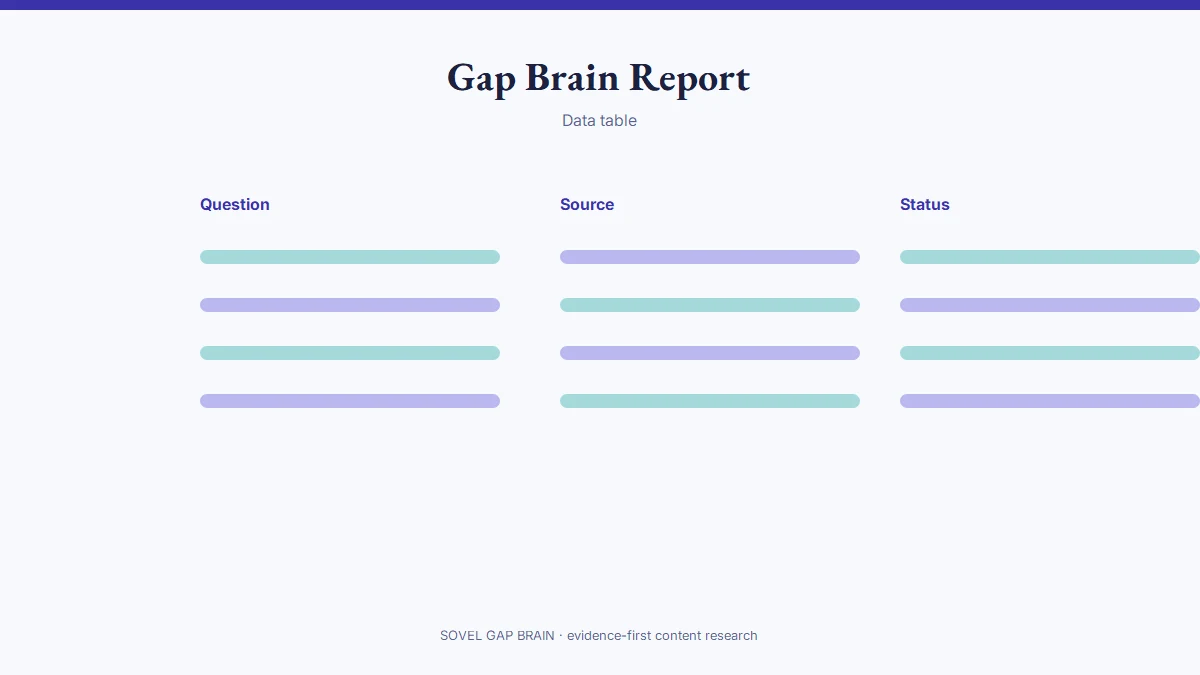
Figure 4: A GAP BRAIN run scores keywords, lists gaps, and records sources in one report.
Where these gaps fit in a wider strategy
Filling generative engine optimization content gaps is one layer of a larger approach. You still need on-page SEO so pages get indexed, internal links so they support each other, and a topic structure that builds authority. The GAP BRAIN engine connects these layers by showing which gaps to fill first, so your effort compounds instead of scattering. Working the list methodically is how you retire generative engine optimization content gaps one at a time.
When you fill gaps with verified, self-contained answers, you produce original content other sites cite, turning your pages into sources both AI systems and writers reach for. For the classic workflow this GEO layer builds on, see the site’s guide on finding content gaps in existing content. Together they form a complete way to find and fill generative engine optimization content gaps across your site. If you want the answer-engine side of the same work, the guide on answer engine optimization covers citation-ready structure, and the SGE optimization strategy guide covers how AI summaries choose their sources. Google’s AI features documentation is the primary reference for those surfaces.
FAQ
What is a generative engine optimization content gap in plain terms?
It is a real question people ask an AI answer engine that your site does not answer in a clean, standalone way. Even if you rank for a keyword, you can still have these gaps if your content buries the answer.
How is a GEO content gap different from a normal keyword gap?
A keyword gap is a missing search term. A generative engine optimization content gap is a missing answer block. You can rank for the term and still lose the AI citation because your page does not present a quotable answer.
Does the GAP BRAIN engine run online or locally?
It runs locally on your machine and uses free public research sources. It needs no API key and no signup, and it can be invoked from any AI host you already use.
How do I verify a claim before publishing it?
Use primary sources such as original studies or official data, check that the source is current, and state the claim precisely enough that someone can check it. The evidence ledger in the GAP BRAIN report tracks each source and its status.
How often should I look for new gaps?
About once a month. Questions and competition change, and AI systems update how they select answers, so a monthly re-run keeps your coverage fresh.
Can a small site compete on GEO with bigger competitors?
Yes. Answer engines favor clean, self-contained, well-sourced answers over raw authority. A small site that covers a specific question better can win the citation even when a large site outranks it on Google.
What is the fastest way to start?
Give the GAP BRAIN engine a topic, read the ordered gap list, pick the top two or three gaps, verify the facts, and write a self-contained answer block for each one. That is the entire loop.
Do I need to fill every gap the engine finds?
No. Prioritize by opportunity score and focus on the gaps that matter to your audience. One complete, verified answer beats several thin ones.