
Content Gap Analysis for SaaS: 7 Steps to Dominate Your Niche
SaaS (short for software as a service) companies often have the best product and the thinnest content coverage. The product does the work, but the website fails to answer the questions prospects actually search. Content gap analysis for SaaS fixes that by showing you exactly which topics your competitors rank for that your site still misses.
This guide walks through a seven-step process to run a content gap analysis, turn the output into a topical authority plan, and keep AI-driven search citing you instead of a rival. You will also see how the SOVEL GAP BRAIN tool fits the workflow and how to scale it across a whole product category.
Why SaaS needs a different gap approach
SaaS content is not blog content. Every page should support a buying journey: awareness, consideration, comparison, and decision. Generic gap analysis lists keywords; a content gap analysis maps those terms to the stages of the funnel and to the features your product actually has. For the full retail-mechanics breakdown, see our ecommerce content gap analysis guide.
That matters because SaaS searchers ask very specific questions:
- “How to do X with software”
- “best tool for X”
- “X vs Y pricing”
- “what is an [industry term]”
- “how to migrate from Z”
Missing any of these leaves a competitor page to answer them instead — and to capture the prospect. That is exactly why the gap analysis begins with the specific questions buyers actually type, not with the topics you already want to write about.
Step 1: Choose your niche and define the topic universe
Start with one product area, not your whole site. Pick a single feature or use case you want to own, such as “local SEO audits” or “book manuscript formatting.”
Write down the core topic and its natural sub-topics. This becomes the universe you will test for gaps. It is also the input that shapes your whole content gap analysis, so keep it narrow enough to dominate, broad enough to matter.
Step 2: Run a gap analysis on the core topic
Open a content gap analysis tool. Paste your core topic, a competitor URL, or a block of your own product copy. The tool returns scored keywords, gaps, and opportunities.
If you use the SOVEL GAP BRAIN content gap analysis tool, you will immediately see:
- Top keywords — the cluster around your topic.
- Content gaps — sub-topics your coverage misses.
- Opportunities — gaps ranked by priority, format, and platform.
- Research summary — a full report you can export.
Run this for each of your main product areas. Each report feeds the next round of your content gap analysis, so save the output rather than closing it.
Step 3: Map gaps to the SaaS funnel
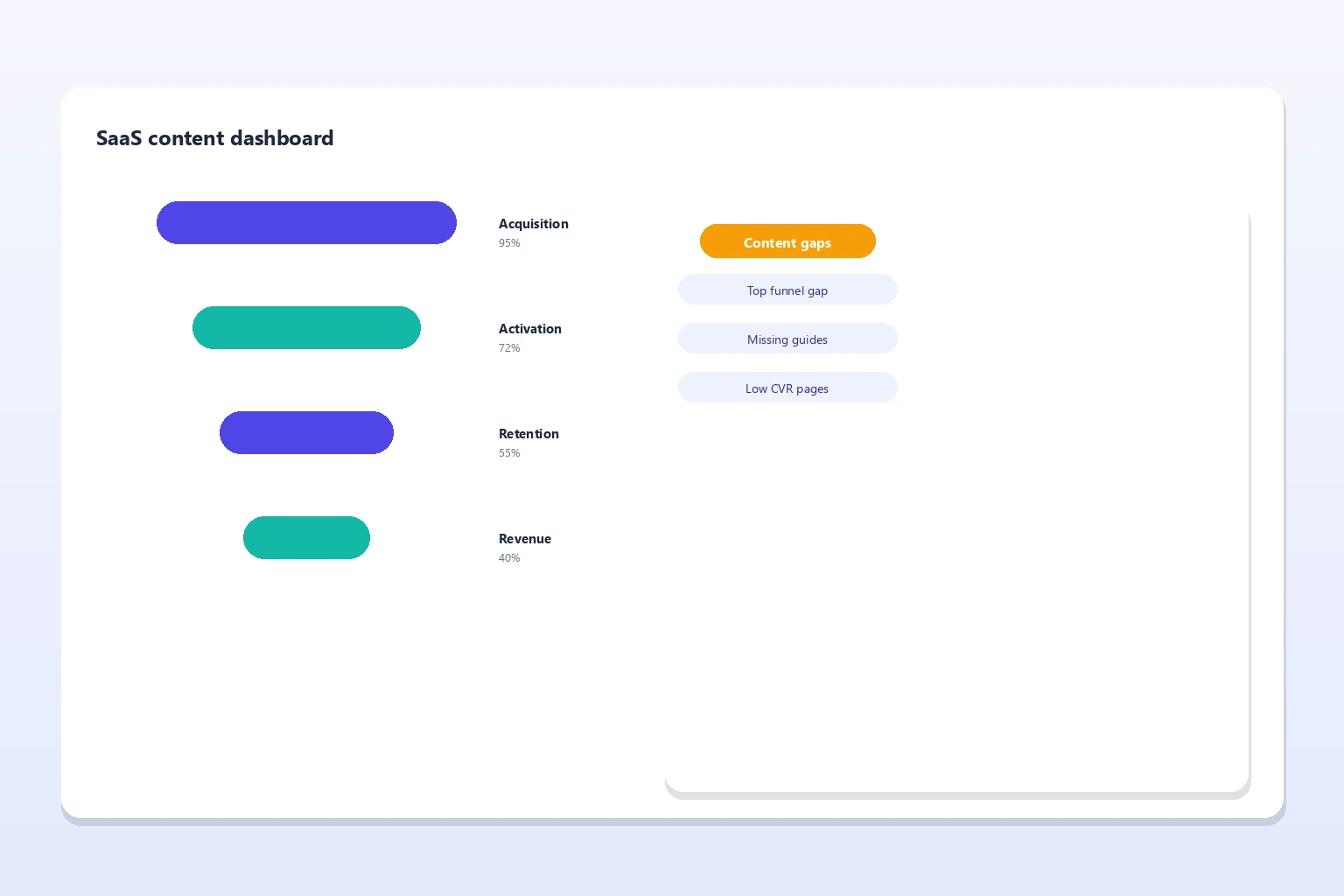
The SaaS funnel is not a straight line; it is a set of questions a buyer asks while moving from awareness to decision. Content gap analysis for SaaS is strongest when every gap is tagged with the funnel stage it serves, because that determines both the format of the page and the goal it should hit.
At the top, the buyer knows they have a problem but not yet the vocabulary for it. Here the content must educate without selling: definitional posts, industry explainers, and “what is” guides. In the middle, the buyer has named their problem and is researching ways to solve it. This is where how-to tutorials, feature deep dives, and use cases live. At the bottom, the buyer is comparing options and preparing to choose. Comparisons, pricing breakdowns, alternatives pages, and reviews win here.
That is what sets a SaaS gap analysis apart from generic keyword work: it connects what to write to where the buyer actually stands. Here is how each funnel stage maps to content type and example topics:
| Funnel stage | Buyer intent | Content type | Example topics |
|---|---|---|---|
| Top | Problem awareness | Definitions, explainers | “What is a manuscript format” |
| Top | Education | Industry overviews | “How book publishing works in 2026” |
| Middle | Solution research | How-tos, tutorials | “How to format a book for Kindle” |
| Middle | Feature exploration | Deep dives, use cases | “Using templates for chapter layout” |
| Bottom | Comparison | Comparisons, vs articles | “Book formatting vs typesetting” |
| Bottom | Purchase | Pricing, alternatives, reviews | “Best book formatting software” |
A gap that sits at the bottom of the funnel is usually the most commercially valuable, because the searcher is close to buying. But do not ignore the top and middle: those pages feed the bottom through internal links and build the topical authority that makes the whole site credible. Use this mapping as the lens for every content gap analysis you run.
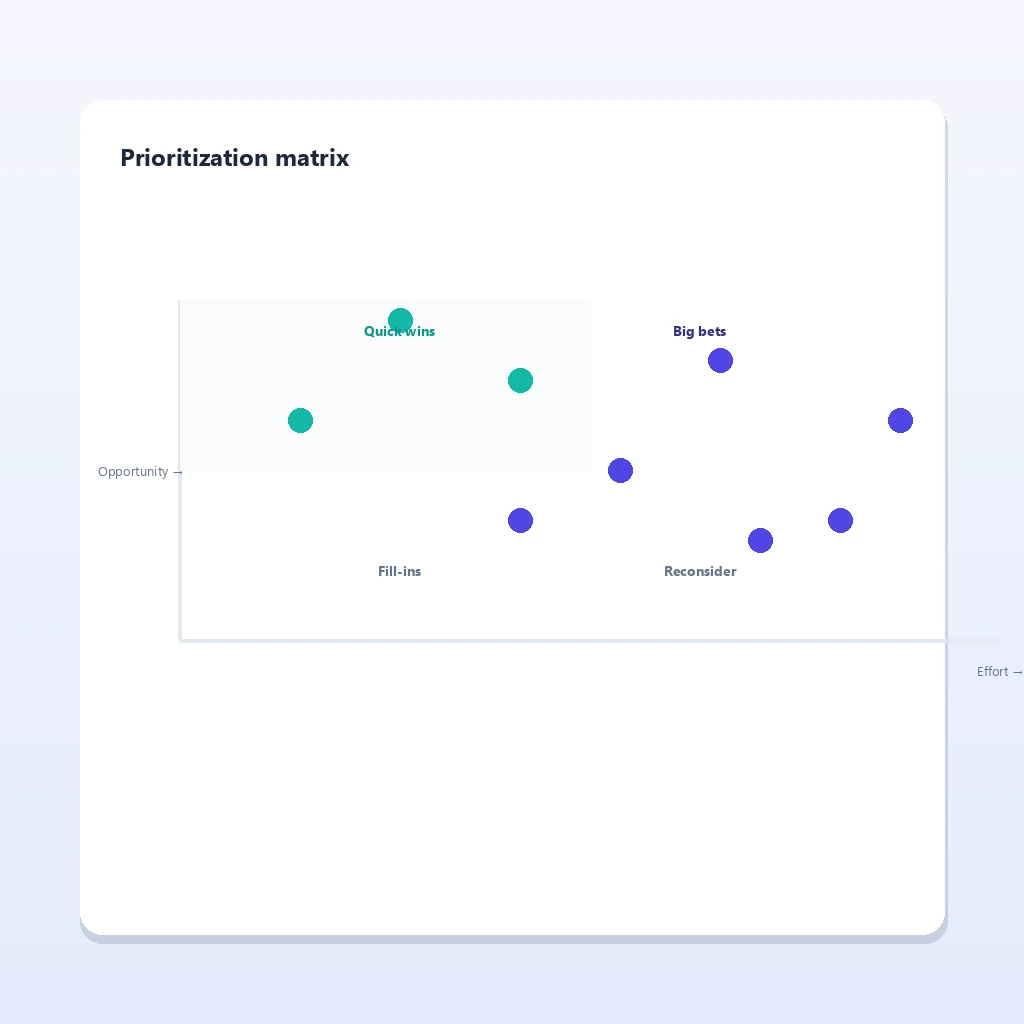
Step 4: Prioritize by opportunity score
Not every gap deserves your next sprint. Use the opportunity score from the analysis to rank:
- Write HIGH-priority gaps first.
- Prefer gaps that combine demand (competitors rank) with a real angle you can own.
- Skip gaps that are only tangentially related to your product.
This keeps your content focused on wins. Prioritization is where a content gap analysis earns its return, because effort goes where demand and angle already align.
Step 5: Build a topical hub around each gap
For each chosen gap, create a page that fully answers the question. Then link it into a hub. Content gap analysis for SaaS works best when you build clusters:
- A pillar page on the core topic.
- Cluster pages on each gap.
- Internal links both ways with descriptive anchor text.
This structure signals topical authority to both search engines and AI retrieval systems.
Step 6: Answer first, every time
SaaS readers skim. AI answers paraphrase. So each page should open with a direct, quotable answer to the question in the title. Put the core definition or the bottom-line recommendation in the first one hundred words.
This “answer-first” structure is what earns featured snippets and AI Overview citations. It also keeps human readers from bouncing. In a content gap analysis for SaaS, every recommended format should still follow this rule, no matter which funnel stage it serves.
Step 7: Measure, re-run, and repeat
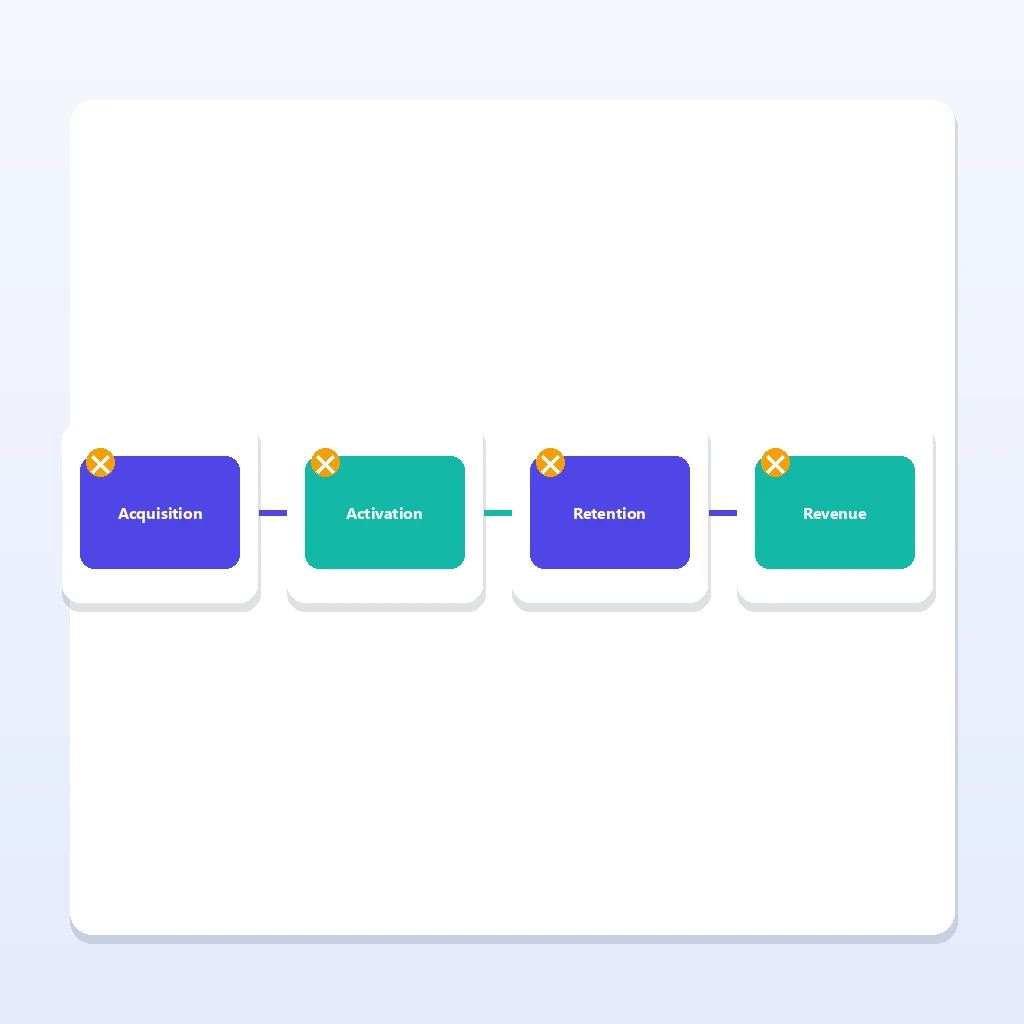
Content gap analysis for SaaS is a loop, not a one-off. After you publish a cluster:
- Check whether the new pages rank and pull traffic.
- Re-run the gap analysis on the same topic.
- Look for new gaps the competitors added.
- Add supporting content, FAQs, and comparison tables.
The SaaS landscape moves fast, and your coverage should too. Treat the re-run as the heartbeat of your content gap analysis for SaaS, not as an optional refresh.
How SOVEL GAP BRAIN scales this for SaaS
SOVEL GAP BRAIN gives SaaS teams two ways to run this kind of analysis:
- The free tool at https://sovel.pro/tools/content-gap-analysis/ is perfect for a first pass. It runs a full analysis in seconds with a fair daily limit and exports HTML, Markdown, Word, and PDF reports.
- The full engine from the SOVEL GAP BRAIN engine is a lifetime, one-time purchase. It removes the daily limit and adds category-wise recommendations, so a content team can analyze dozens of SaaS topics every day without cost concerns.
Because the engine runs directly on your own hosting, there is no external dependency and no per-search cost once you own it. That makes it practical to operate content gap analysis for SaaS continuously across many product lines.
A worked example: a book-writing SaaS
To see content gap analysis for SaaS in action, follow a single product through the full loop. Imagine a SaaS that helps authors format manuscripts, called “FormatWrite” for this example.
Step 1 — define the niche. The team picks one area to own: manuscript formatting. They list natural sub-topics: Kindle formatting, print layout, paperback setup, formatting tools, and common errors.
Step 2 — run the analysis. They paste “book manuscript formatting” into the SOVEL free tool. It returns a scored cluster and a gap list. Four gaps stand out:
- Gap 1: “best book formatting software” (bottom of funnel, HIGH priority).
- Gap 2: “how to format a book for Kindle” (middle of funnel, HIGH).
- Gap 3: “book formatting vs typesetting” (comparison, MEDIUM).
- Gap 4: “what is a manuscript format” (top of funnel, MEDIUM).
Step 3 — map to the funnel. Gaps 1 and 3 sit at the bottom, gap 2 in the middle, and gap 4 at the top. The team now sees a complete path from education to purchase — exactly what content gap analysis for SaaS is built to reveal.
Step 4 — prioritize. Gap 1 scores highest, so it goes first. Gap 2 pairs naturally with it, so both are scheduled together. This ordering is the practical payoff of content gap analysis for SaaS.
Steps 5-6 — build and write. They create a pillar page on “book manuscript formatting,” then write the best-software comparison and the Kindle how-to as cluster pages. Both open with a direct, quotable answer before any context.
Step 7 — measure and re-run. After publishing, the team checks that the comparison ranks and pulls traffic, then re-runs the analysis. The engine now confirms the two original gaps are covered and surfaces a new angle: “formatting a book for print vs ebook.” That becomes the next sprint.
This is how a SaaS team turns one product area into a defensible cluster. The example also shows why a content gap analysis for SaaS should always end with a re-run: the niche keeps moving, and your coverage should too.
Internal linking architecture for SaaS hubs
A gap page only earns its full value when it is wired into the rest of the site. Content gap analysis for SaaS gives you a list of pages to write, but an internal linking architecture tells you how they should connect.
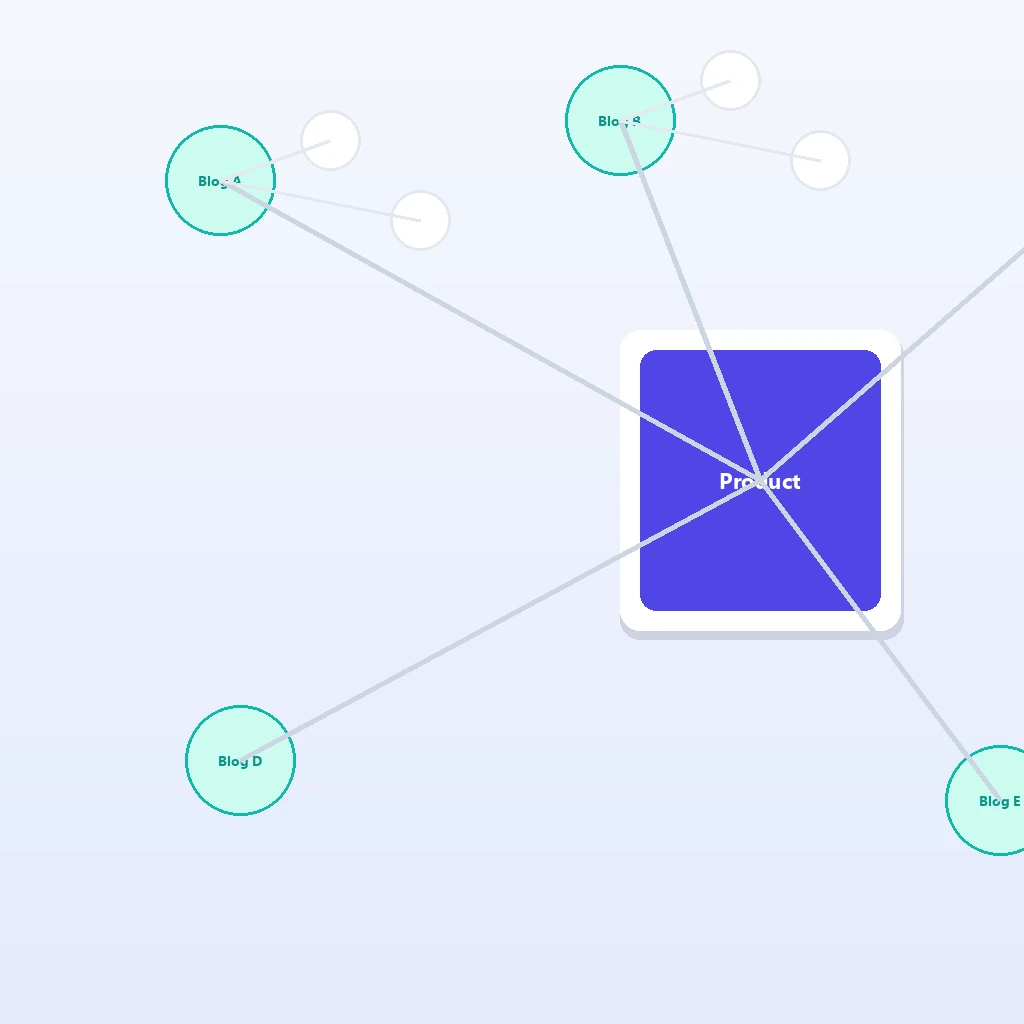
Start with a pillar page for each product area, as a content gap analysis for SaaS would recommend. Every gap page you write becomes a cluster page that points up to the pillar with descriptive anchor text — not “click here,” but the actual phrase, such as “book formatting for Kindle.” The pillar, in turn, links down to every cluster page, and sibling cluster pages cross-link where their topics overlap.
Three rules keep the architecture clean:
- One pillar per topic, and each pillar focuses on a single product area.
- Every cluster page answers exactly one sub-question; do not merge two gaps into one page.
- Keep anchor text specific and varied so the links read naturally.
For a SaaS site this matters twice over. Search engines use these links to understand which pages are authoritative on a topic. AI retrieval systems use the same structure to decide which page to cite. A well-linked hub tells both systems: this is the definitive resource on this subject.
After you publish a batch, walk the links again. If a new gap page has no inbound link from the pillar, add one. An orphaned gap page is a wasted opportunity — the analysis found the gap, but the architecture buried it. This wiring step is an easy place to lose the value of a content gap analysis for SaaS, so treat it as part of the publish routine, not an afterthought.
Measuring the impact of gap content
Writing to a gap is only step one; you need to know whether the strategy is working. Set up measurement before you publish so you can tell what actually moved.
Track four numbers for each gap page:
- Search rankings — does the page enter the top ten for its target phrase?
- Organic traffic — are visits arriving from the queries you targeted?
- Engagement — do readers stay, scroll, and click through to related pages?
- Conversions — do bottom-of-funnel pages drive trial signups or demo requests?
Compare each new page against a control: a page you published before the gap analysis. If the gap pages outperform on the same metrics, your content gap analysis for SaaS is paying off. If they do not, check whether you chose the right gap or the right format.
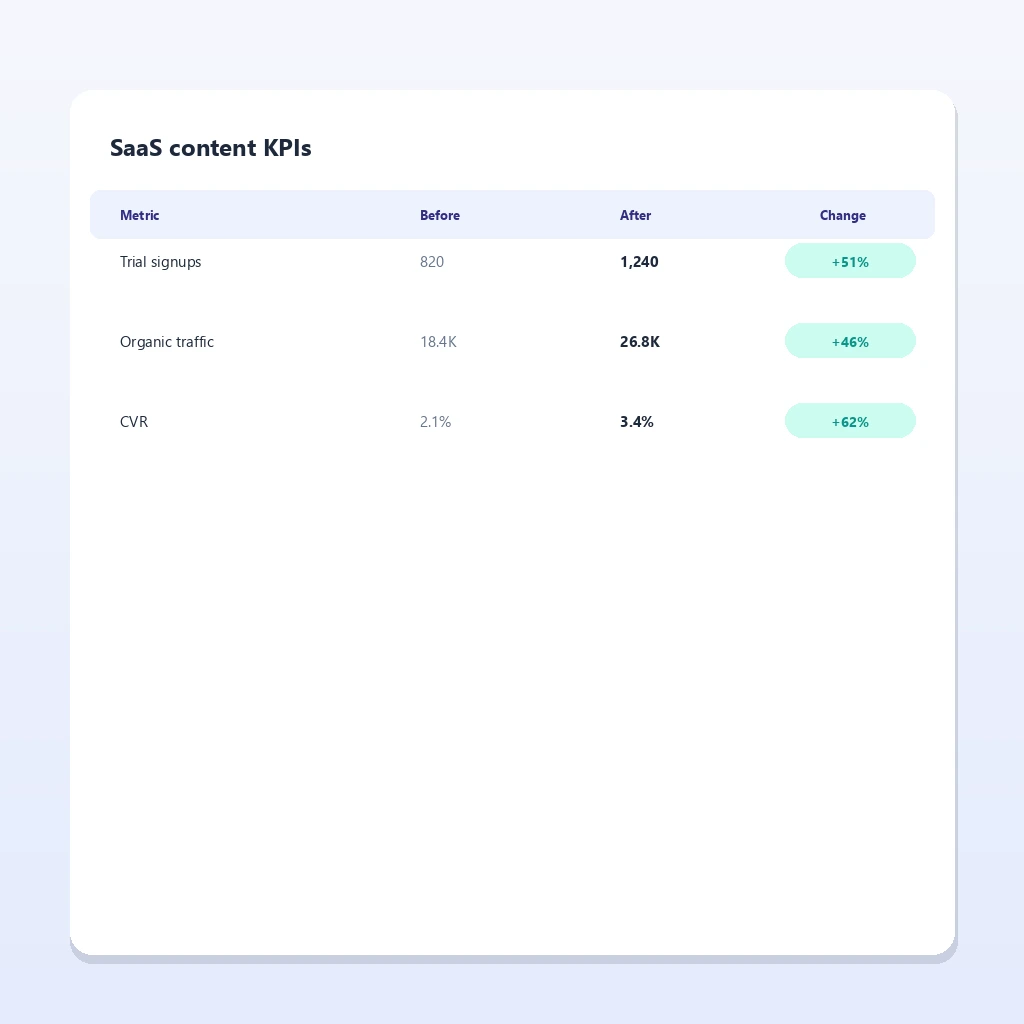
Re-run your analysis on the same topic within sixty days. The new report shows which gaps closed and which competitors added fresh coverage. Share the before-and-after view with your team weekly; it keeps the content effort tied to business outcomes rather than to raw volume.
Over several cycles, a pattern will emerge. Some funnel stages will consistently convert better for you. Feed those findings back into your next prioritization — that is how a content gap analysis for SaaS becomes a compounding advantage instead of a one-off exercise.
Why SaaS wins by writing to the gaps
A SaaS site that answers every question its buyers search becomes the obvious choice — for both people and AI. This is the payoff of evidence-led content research into market gaps. Content gap analysis for SaaS is the mechanism that reveals those questions. Without it, you publish what you want to say instead of what buyers need to hear.
Frequently asked questions
How often should a SaaS run content gap analysis?
Run it at least once a quarter per product area, and every time you launch a new feature. Competitors move; your coverage should keep up.
Is content gap analysis for SaaS the same as competitive analysis?
No. Competitive analysis looks at features and positioning. Content gap analysis for SaaS looks specifically at which content topics competitors rank for that you miss.
Can the free tool handle SaaS topics?
Yes. The SOVEL GAP BRAIN free tool accepts any topic and returns a full report with keywords, gaps, opportunities, and summary.
What is the daily limit on the free tool?
The free tier allows a set number of searches per day per device, defaulting to five. It resets at midnight.
Should I buy the full engine for my SaaS content team?
If you will run many analyses daily, yes. The engine is a one-time lifetime purchase and removes the limit, so a team can scale content gap analysis for SaaS without monthly fees.
What export formats are available?
HTML, Markdown, Word, and PDF, all branded with SOVEL and timestamped.
Do I need an API key for the engine?
No. The engine runs on your own server and needs no external API key.
Should I only focus on bottom-of-funnel gaps?
No. Bottom-of-funnel gaps convert best, but they are fed by the top and middle of the funnel. A balanced content gap analysis for SaaS includes education pages that build authority and eventually point buyers toward the high-converting comparisons.
How many topics should a small SaaS team analyze at once?
Start with one or two product areas. Analyze them fully, publish the top gaps, and measure before expanding. It is better to dominate one niche than to scatter across five.
Does writing to gaps help with AI citations too?
Yes. Answer-first, well-structured pages that fully cover a topic are exactly what AI retrieval systems prefer to cite. The same pages that win rankings also win mentions in AI-generated answers.
SaaS gap-analysis checklist
Run through this before, during, and after each gap cycle. It turns the seven steps into a repeatable routine for content gap analysis for SaaS.
- [ ] Pick one product area or feature to own.
- [ ] List its natural sub-topics to form the content universe.
- [ ] Paste the core topic into the gap analysis tool.
- [ ] Retrieve the scored keywords, gaps, and opportunities.
- [ ] Tag each gap with its SaaS funnel stage.
- [ ] Rank gaps by opportunity score, then by effort.
- [ ] Choose the top three and match formats to intent.
- [ ] Write each page answer-first, leading with the direct answer.
- [ ] Link every new page into its pillar and sibling cluster.
- [ ] Publish, then re-run the analysis within sixty days.
- [ ] Review rankings, traffic, engagement, and conversions.
- [ ] Feed results back into the next prioritization round.
Final word
Content gap analysis for SaaS is the fastest route from “we have content” to “we own the topic.” Follow the seven steps — define the niche, analyze, map to the funnel, prioritize, build hubs, answer first, and repeat. Start with the free tool to see the gaps, then invest in the lifetime engine when you are ready to scale across every product line.