
Voice search content optimization is the practice of shaping your content so it answers the spoken questions people ask voice assistants, such as the ones built into phones, smart speakers, and AI chat apps. Spoken queries are longer, more conversational, and phrased like real questions, and they need a different kind of answer than a typed keyword does. This guide explains how voice search content optimization works and gives you a six-step method to win those spoken queries.
The short answer: voice search content optimization is about matching the natural way people talk, answering the full question directly and clearly, and making your answer easy for an assistant to lift and read aloud. When you do those things, your content becomes the source an assistant turns to.
One clarification before the steps. Voice search is not a separate channel you have to build. It is a way people ask the same questions. The key insight of voice search content optimization is that you can serve typed search and spoken search with the same well-structured content, because both want a clear, direct answer.
How spoken queries differ from typed ones
Spoken queries differ from typed searches in several ways. They tend to be longer and more conversational. Instead of typing “best metal roof cost,” a person might say, “what is the average cost of a metal roof in 2026?” Instead of “roof repair near me,” they might ask, “who is the best roof repair company nearby?”
Spoken queries are also more likely to be full questions, starting with words like what, how, where, or who. They often imply local intent, as when someone asks for a service near them. And they are asked without keywords or filters, so the phrasing is natural and varied.
These differences matter because they mean the answer you provide must be stated in plain, complete language. A page built from short keyword fragments does not answer a spoken question. A page that states the full answer in a sentence does. That gap is what voice search content optimization exists to close.
Figure 1: Spoken queries are longer, conversational, and phrased as full questions.
Step 1: Collect the questions people actually speak
Voice search content optimization starts with the questions people really ask. Gather the natural, conversational questions around your topic. Use the questions that appear in autocomplete, in related searches, in support emails, and in the way people talk to assistants.
Keep them in the spoken form. Write them the way someone would say them, not the way they would type them. “How long does a metal roof last” is a spoken form. “Metal roof lifespan” is a typed form. Your content should answer the spoken form.
The GAP BRAIN engine pulls live search signals and returns the questions around your topic, scored by opportunity. That list gives you the conversational questions to target, which is a direct starting point for voice search content optimization.
Step 2: Answer the full question up front
Assistants look for a direct answer they can read aloud. So put the answer to the full question in the first couple of sentences of the relevant section. State the complete answer in a complete sentence, because that is what an assistant can lift and speak.
For example, if the question is “how long does a metal roof last,” the answer should start with something like, “A metal roof typically lasts 40 to 70 years, depending on the material and how well it is maintained.” That is a complete, quotable answer.
Answering fully up front is the single strongest move in voice search content optimization. It gives the assistant a clean sentence to speak, and it gives the reader the answer immediately, which serves everyone.
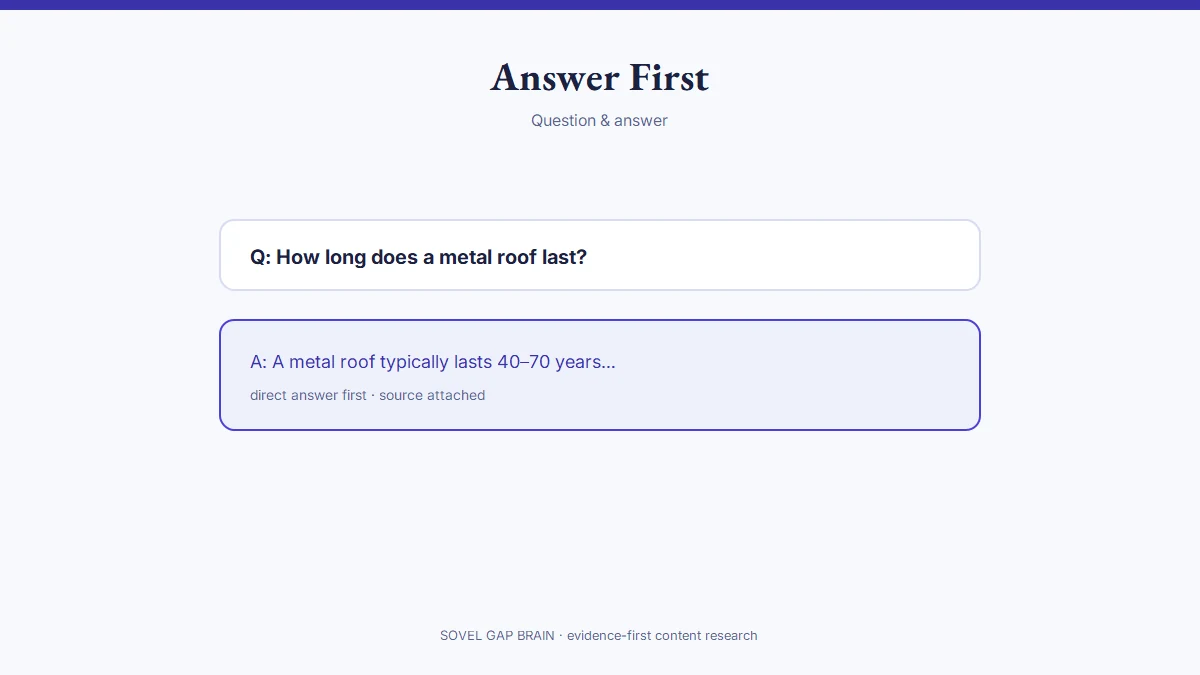
Figure 2: A complete answer in the first sentences is easy for an assistant to read aloud.
Step 3: Use question-style headings
Use headings that match the actual questions people ask. A heading like “How long does a metal roof last” tells the assistant and the reader exactly what the section answers. Question-style headings align your content with how spoken queries are phrased.
Copy your question headings directly from your list of spoken queries where possible. If the real question is “how much does a roof replacement cost,” use that as a heading rather than a paraphrased phrase. This keeps your content matched to the language people use.
Keep the hierarchy clean, one H1, H2s for main sections, and H3s for subsections. A tidy question-based structure is easy for an assistant to navigate, which makes it a core part of voice search content optimization. You can lift these headings straight from your research list. If a real query reads as a full question, keep that wording in the heading, because matching it exactly raises the chance an assistant connects your section to the spoken phrase.
Step 4: Write short, conversational, clear answers
Spoken answers should sound natural. Write in plain, conversational language with short sentences. Avoid jargon unless you define it. An assistant reading your answer aloud should sound like a helpful person, not like a manual.
This does not mean losing depth. It means stating the depth clearly. Long ideas can be broken into short sentences and simple words. The goal is that a listener can follow the answer the first time, and a short, clear sentence is the easiest for a machine to lift as well.
Keep paragraphs brief, two to four lines. Use lists and tables where they genuinely help, because structured formats are also easy to quote. The combination of conversational phrasing and clean structure is the heart of voice search content optimization, and every short paragraph you write is one more easily-spoken answer waiting to be found.
Step 5: Support local and direct answers
Many spoken queries have local intent. People ask for services or products near them, so your content should naturally include the location when relevant. A page that covers a local service should mention the area it serves and answer questions like “where is the nearest” or “who can do this near me.”
Direct answers also matter for “how, “what,” and “when” questions. Provide the specific figure, date, or fact in a clear sentence so the assistant can use it. Vague answers lose the citation, while specific answers win it.
Combining local context with direct, specific answers captures a large share of spoken queries. This makes local coverage an important part of a complete voice search content optimization approach.
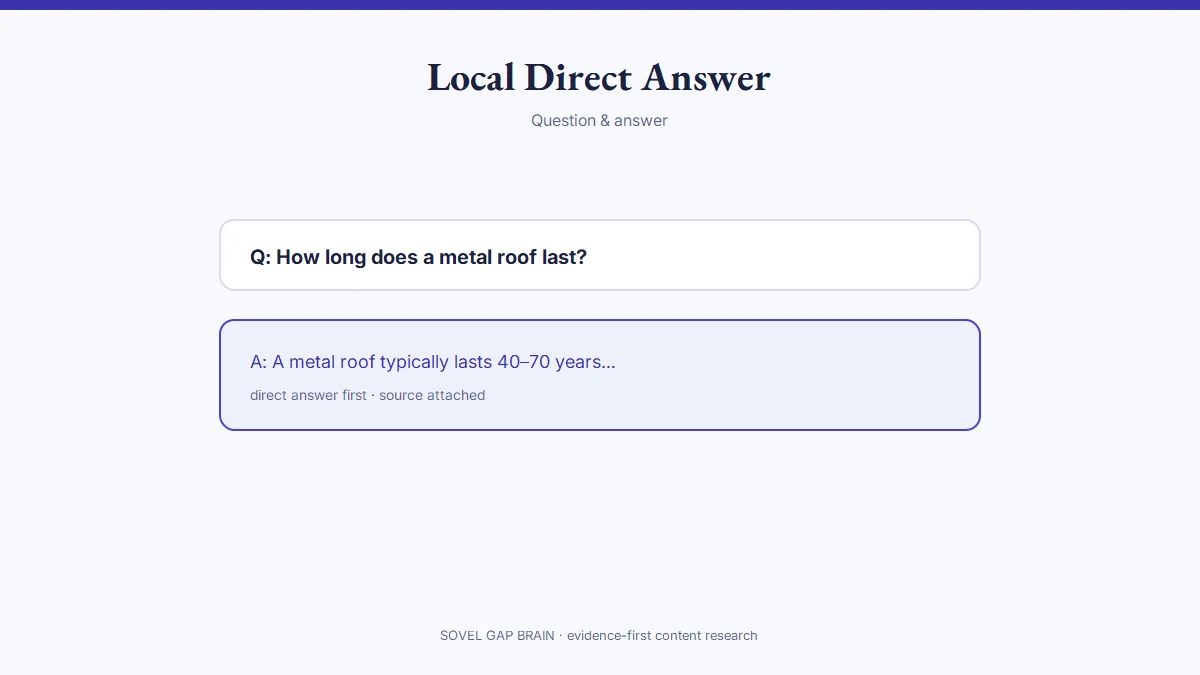
Figure 3: Include location and specific facts for local spoken queries.
Step 6: Track which questions you win
Voice search content optimization is an ongoing loop. After you publish, test whether assistants actually use your answers. Ask Siri, Google Assistant, Alexa, and AI chat apps the questions you targeted and see whether your content appears and how it is spoken.
Do this monthly. If a question you cover is answered from a competitor, check whether your answer is direct enough, conversational enough, and structured well enough. Each miss points to a precise fix. Maintaining this loop keeps your voice search content optimization pointed at what works. You can combine this with the monthly test to build a reliable measure of your progress.
How the GAP BRAIN engine supports the work
The SOVEL GAP BRAIN engine helps find the conversational questions to target. It pulls live search signals, scores the questions, checks your coverage, and shows the gaps by opportunity. That list feeds directly into your question-style headings and answer blocks.
Because the engine records evidence for each source, it also helps you keep the facts behind your voices accurate, which matters because assistants and users both rely on correctness. Each edition is described on the product page. For the adjacent method of getting quoted by AI answer engines, the site’s guide on LLM content optimization complements this approach.
How assistants choose which content to read
Voice assistants decide what to read by searching for the clearest, most direct answer to your question. They prefer passages that are short, complete, and clearly stated. If your page provides a long, winding explanation, an assistant is more likely to skip it in favor of a tighter source. This is why brevity and clarity sit at the center of voice search content optimization.
Assistants also use your page’s structure. Question headings, lists, and tables help them locate the relevant part quickly. When your content is organized this way, you make the assistant’s job easier, and you increase the chance your words are the ones spoken. Strong structure is therefore a core part of voice search content optimization.
Finally, assistants favor pages that load fast and work on mobile. Most voice searches happen on phones. A responsive, quick page is both a ranking factor and a practical requirement for delivering the answer smoothly, so it belongs in any voice search content optimization checklist. Testing on the device your audience actually uses, whether a phone or a speaker, keeps your checks realistic and your fixes relevant.
Local voice queries and how to win them
A large share of voice searches have local intent. People ask for services nearby, such as “find a plumber near me” or “what time does the cafe close.” These queries often pull from local business listings and location-aware content, so ensuring your site and listings are consistent is part of winning them.
Use consistent business details, such as name, address, and phone number, across your site and directories. Add a clear contact and location section. Answer local questions directly, like “where are you located” and “what areas do you serve.” This gives assistants a straightforward answer to give. Local coverage is a strong contributor to voice search content optimization for most businesses.
Local voice queries are high-intent. The person asking is often ready to visit or call. Winning those can bring real customers, which makes local content one of the higher-value parts of a voice search content optimization effort. Turning a spoken local query into a visit is a direct result you can measure. To capture local voice traffic, keep your answers short and location-specific, state your service area plainly, and review your business listings for accuracy, since a mismatch can confuse an assistant.
Voice search and conversational AI together
Voice search and conversational AI are converging. Many people now ask questions out loud to assistants that behave like chatbots, and they expect a natural, human-sounding answer. The same answer-first, conversational structure serves both, which means your voice search content optimization also prepares you for AI chat answers.
This convergence is a reason not to treat voice as a silo. Content written well for spoken queries tends to be well-formed for other AI systems too. An SGE-style answer, an LLM citation, and a voice response all reward clarity. Building your content that way multiplies its value.
So when you apply voice search content optimization, you are not just chasing one channel. You are making your content easier for every system to understand. That broad benefit makes the work worth doing carefully and consistently. As assistants improve, the gap between written and spoken content keeps closing, so building early gives you a head start when the channel grows.
Common mistakes in voice search
A few mistakes hold back voice search content optimization. The first is writing the typed keyword instead of the spoken question, so the content never matches how people phrase the query. The second is burying the answer, so no single sentence can be lifted and read aloud.
The third mistake is using dense jargon that sounds unnatural when spoken. The fourth is ignoring local intent when it applies. The fifth is never testing the results, so you keep missing queries without knowing why. Each is avoidable with the six steps above.
A step-by-step test for your voice content
You can test your voice search content optimization without special tools. Pick five questions you want to win, then ask a voice assistant each one. Listen to the answer and note whether your content is the source. Repeat monthly and keep a record.
If your content is not being used, check three things. Is the answer stated in the first sentences? Does the heading match the spoken question? Is the answer surrounded by short, scannable text? Fixing these three usually improves the outcome quickly, and each fix sharpens your voice search content optimization.
Running this test on a schedule turns voice search content optimization into a measurable loop rather than a hope. You will see which pages improve and which still lose, and you will know exactly where to focus your next edit. You can also compare across months to see whether your fixes worked, because if a page climbs from not being spoken to being quoted, your change had an effect, and if it stays silent you know a bigger structural change is needed. The written-answer version of this work is covered in the answer engine optimization guide, and the SEO content brief guide shows how to brief question-led pages. Google’s documentation on speakable structured data explains how audio playback of answers is marked up.
Figure 4: Test your target questions monthly and record whether your content is spoken.
FAQ
What is voice search content optimization?
It is shaping your content to answer the spoken, conversational questions people ask assistants, by matching natural phrasing and giving clear, direct answers.
Is voice search different from regular SEO?
It uses the same content but emphasizes conversational, full-question phrasing and direct answers. It is mostly a matter of how you structure what you already write.
What are the best formats for voice answers?
Short, conversational paragraphs, question-style headings, and clear lists or tables. A complete answer in the first sentences is the most quotable format.
Do I need separate pages for voice search?
No. The same page can serve typed and spoken search when it answers the full question in plain language. You rarely need a separate page just for voice.
How important is local content for voice search?
Very important. A large share of spoken queries are local. Including your area and answering local questions earns a meaningful portion of voice traffic.
How do I check if I am winning voice queries?
Ask assistants and AI apps the questions you targeted and see if your content appears and how it is spoken. Do this monthly and fix what is missing.
Does voice search help with AI answer engines too?
Yes. Both want clear, direct, conversational answers. The same structure that wins a spoken query often gets cited by an AI answer engine.
Can a small business benefit from voice search?
Yes. Local spoken queries are a strong opportunity for small businesses. A clear, local, direct answer can make you the source an assistant chooses.